Introduction ______ Singaporean population has experienced a dramatic increase over the last four decades, with the population in 2009 being more than double the figure in 1970. As a matter of fact, population explosion has put the country into difficult problems: it has to strain its utmost capacity to squeeze over 5 million people into an area of only 710.3 km2. Land scarcity has been a great challenge to Singapore Government. 
Facing
this challenge, the Urban Redevelopment Authority (URA) has adopted concept
plan and master plan to deal with the issue of land scarcity in long-term while
maintain good living condition. The current concept plan 2001 proposes several
“guideline plan” to address land use needs, such as housing, commercial and
industrial development, transportation, and recreational facilities. 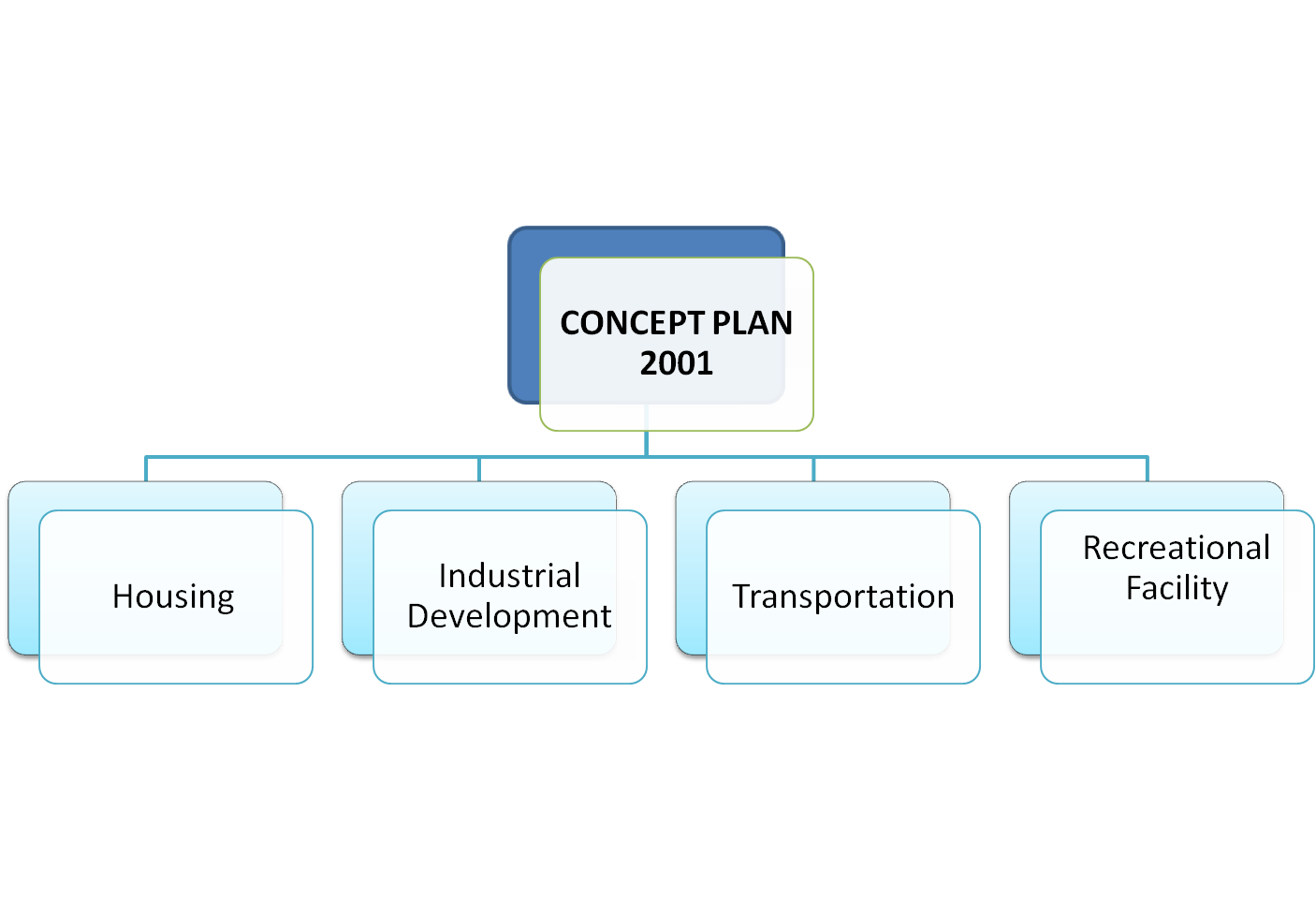
Given the
great challenge of land scarcity in Singapore, our group has decided to address
this problem and propose some possible suggestions: Urban Planning: Beyond Conventional Dimensions Essentially, our project will depict how future buildings around Singapore can have not only one purpose (office space, library, etc) but encompass many 'dimensions' such as having their own electricity and water generation, integrated systems and processes around the building, adopting a green space inside the buildings. Similar buildings can conserve even more resources by using the cloud computing concept.
OVERVIEW _____ Housing A feature that separates Singapore from virtually the rest of the developed world in urban planning is its housing policies. Fully 86% of all Singaporeans live in apartments (flats) built by the Ministry of National Development. Over 90% of Singapore residents own their own homes, a rate unmatched anywhere else. With such extensive home ownership comes more involvement in the city’s civic affairs and attention to quality-of-life issues. Protected water. Singapore has 2,158 hectares (5,332 acres) of protected watershed in the middle of the island. The watershed provides half of the city’s freshwater needs. The island’s four large water reservoirs have been protected completely from any development since 1860. This central watershed contains perhaps the world’s only urban old-growth tropical rainforest. Singapore gets the rest of its water from next-door Malaysia through a long-term agreement with the state of Johor. Waste disposal Singapore’s Environment Ministry operates six large sewage treatment plants, enough to serve the entire population. Each plant has two stages of treatment, and effluents are then discharged through out-falls into deep offshore waters. An experimental sewage treatment plant at Bedok, with three stages of treatment, produces effluents so clean that the water is used by the semi-conductor industry to manufacture silicon wafers. The city is just as meticulous about disposing of its solid wastes. Four large incinerators reduce 85% of the city’s solid wastes into fly ash that is then deposited in a monitored landfill located on an offshore island. A recently introduced recycling and re-use program expects to capture up to three-quarters of the paper, metals, and organic wastes generated by Singaporeans, transforming these wastes into useful products. Controlling air pollution Air pollution is not a problem in Singapore. In 2000, for example, the average level of nitrogen dioxide was just 30 micrograms per cubic meter of air, well below the US Environmental Protection Agency (EPA) standard of 100 micrograms per cubic meter of air. Similarly, the suspended particulate matter (mostly from industries, power plants, and incinerators) averaged only 10 micrograms per cubic meter. The EPA standard is 50 micrograms per cubic meter. One reason for clean air is widespread use of public transportation. Only 1 Singaporean in every 10 owns a private vehicle, a fact attributed to the high tax on private vehicles. Another reason is the city’s large amount of greenery. Trees and shrubs not only produce oxygen, but they also clean and cool the air. Abundant green space Singapore nurtures its “garden city” image. Currently, the city has 2,340 hectares (5,800 acres) of parks and green areas and about 3,000 hectares (7,400 acres) of nature reserves. When Singapore began to develop rapidly in the early 1970s, city planners formed a “garden city action committee” in 1973, with members from each of the main ministries. This group helped ensure the city’s long-term commitment to setting aside and maintaining nearly one hectare (2.5 acres) of green space for every 1,000 people. Singapore has recently embarked on a campaign to provide 245 hectares (600 acres) of “park connectors” by 2010—green corridors that will eventually connect every park and reserve on the island. The corridors will contain bike paths and hiking trails, affording residents more options for getting around the city. |
||
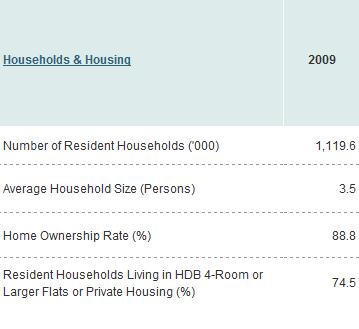 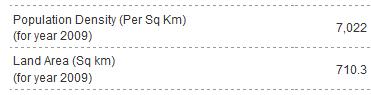 Photo taken from here |
 |
|
